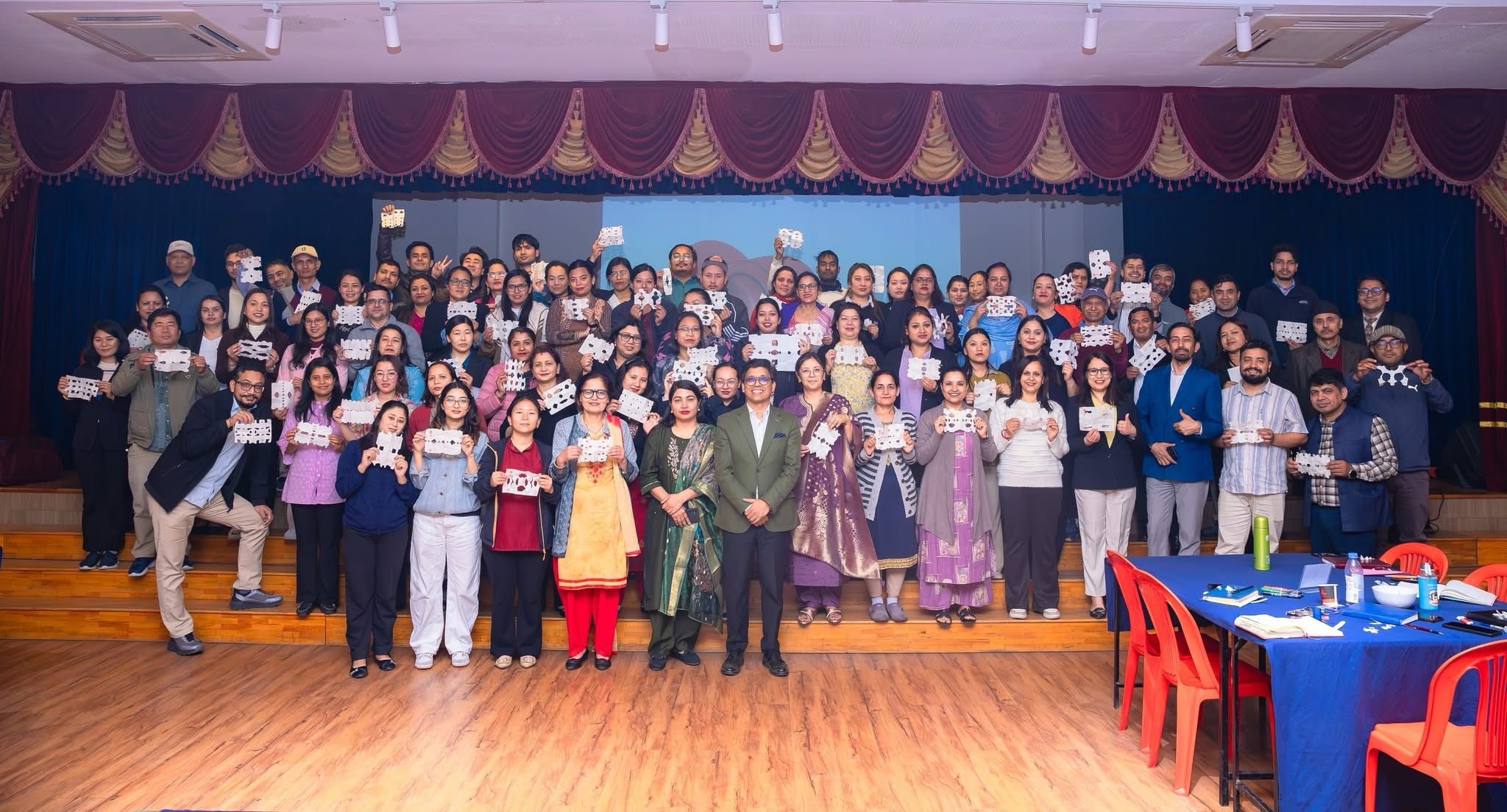
On 9 April 2026, IEN was engaged with more than 80 educators for a full-day, deeply engaging learning experience focused on transforming how schools understand discipline, harm, and relationships. The session began by critically examining prevailing disciplinary practices in Nepali schools and the often unseen costs of punitive approaches, setting the stage for a shift toward restorative thinking rooted in dignity, accountability, and connection.
Throughout the day, participants explored the core principles of restorative practices, including the centrality of relationships, the importance of addressing harm through repair, and the role of meaningful accountability. Teachers actively engaged in practical exercises such as role-plays using restorative language, practicing restorative questioning techniques, and participating in demonstration circles. These hands-on components allowed educators to move beyond theory and begin internalizing how restorative approaches can be applied in real classroom situations, including conflict, disruption, and student behavior challenges .
The training concluded with a strong focus on building a whole-school approach to restoration, emphasizing that sustainable change requires leadership commitment, supportive policies, and student involvement. The thought leadership demonstrated by Excelsior School in hosting and prioritizing such a transformative dialogue reflects a growing recognition that schools must move beyond punishment toward systems that foster healing, responsibility, and belonging. The collective energy and commitments shared by participants signal a meaningful step toward reimagining school culture through restorative practices.